
The fascia and roof trusses are easy to overlook until something goes wrong, but they carry real weight in how a roof performs. Fascia boards protect the edge of the roofline from water and support the gutters, while trusses carry the structural load of the roof itself. When rot or termite damage sets in, the problem rarely stays contained to one board or beam. Here is how A Class Remodeling approaches a fascia and roof truss repair for homeowners in Fort Lauderdale, Wilton Manors, Victoria Park, Oakland Park and Coral Ridge Isles.
Identifying the Damage
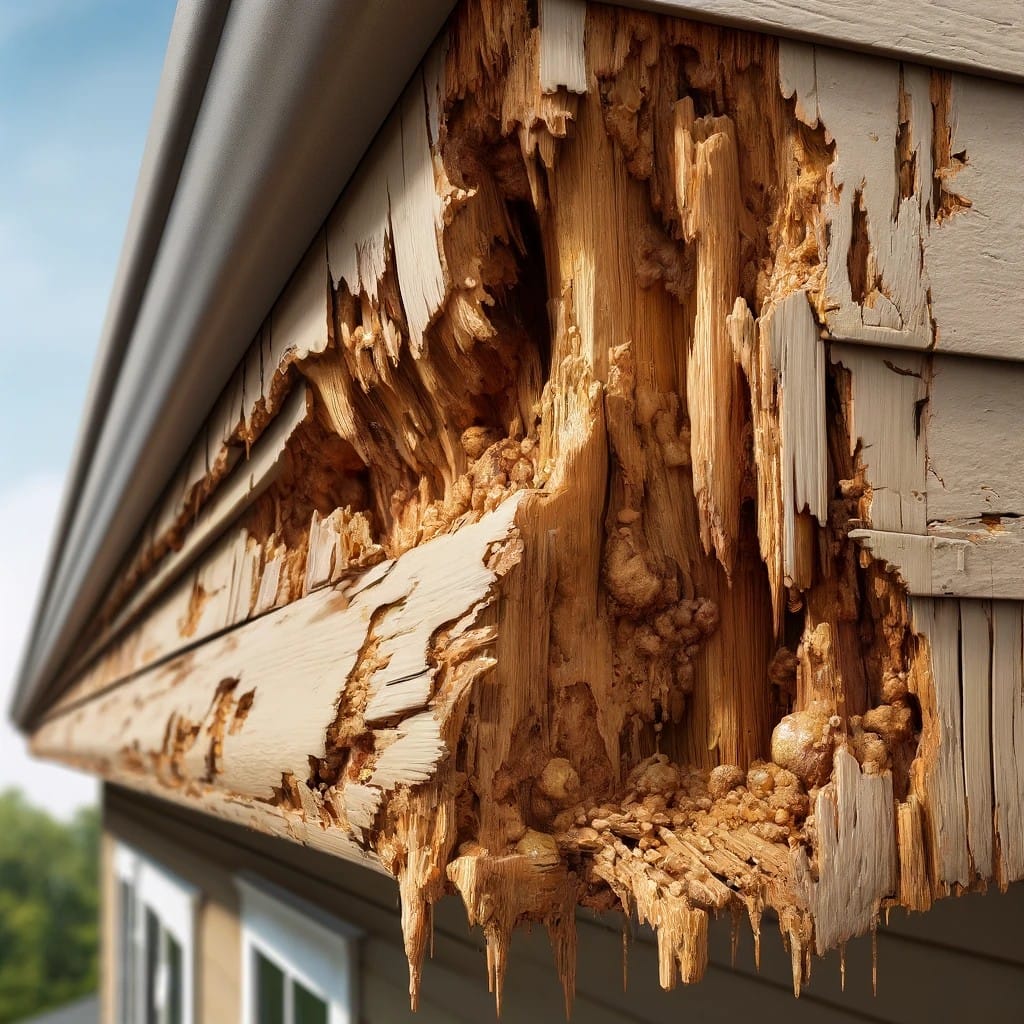
Every repair starts with a walk-through of the roofline and attic space to see how far the damage has spread. Soft or spongy wood, sagging sections of fascia, peeling paint, water stains and termite frass (the small wood-colored droppings termites leave behind) are the usual signs. Because trusses are structural, we check the full run of a damaged section rather than just the spot that is visibly rotten, so nothing gets missed and patched over.
Planning the Remodel
Once we know the extent of the damage, we put together a plan that covers materials, sequencing and how the repair ties into the rest of the roof. Pressure-treated lumber and engineered wood products hold up better against South Florida heat, humidity and termite pressure than untreated wood, so they are our default choice for fascia and truss replacement. We walk you through the plan and the materials before any work starts, so you know what to expect.
A-Class Remodeling Approach
Here is how a fascia and roof truss repair unfolds once the plan is set:
1. Removal of Damaged Materials: We remove the rotted or termite-damaged wood section by section, checking the surrounding area as we go so any hidden damage is caught before new material goes up.
2. Installation of New Components: The damaged wood is replaced with treated lumber or engineered wood sized to match the original structure. For fascia boards, this is also a chance to straighten out wavy lines along the roof edge and clean up the look of the house.
3. Finishing and Protection: Once the new fascia and trusses are installed, we seal and paint the exposed wood and install flashing where the roof meets the fascia so water is directed away from the new material instead of sitting against it.
4. Regular Maintenance and Inspection: After the repair, checking the roofline once or twice a year, especially after storm season, goes a long way toward catching new rot or termite activity early, before it spreads.
Choosing the Right Contractor
Choosing the right contractor matters here, since fascia and trusses are part of your home's structure, not just trim. Ask about past structural repair and termite damage work, and look at photos of finished projects before you commit to a plan.
Conclusion
Replacing rotten or termite-damaged fascia and roof trusses is about more than appearance. It protects the structure holding your roof together. A Class Remodeling handles this work as part of our home remodeling services for Fort Lauderdale area homeowners, from the first inspection through the finished repair. If you have noticed soft fascia boards or signs of termite activity, contact us to talk through what you are seeing and what the repair would involve.